

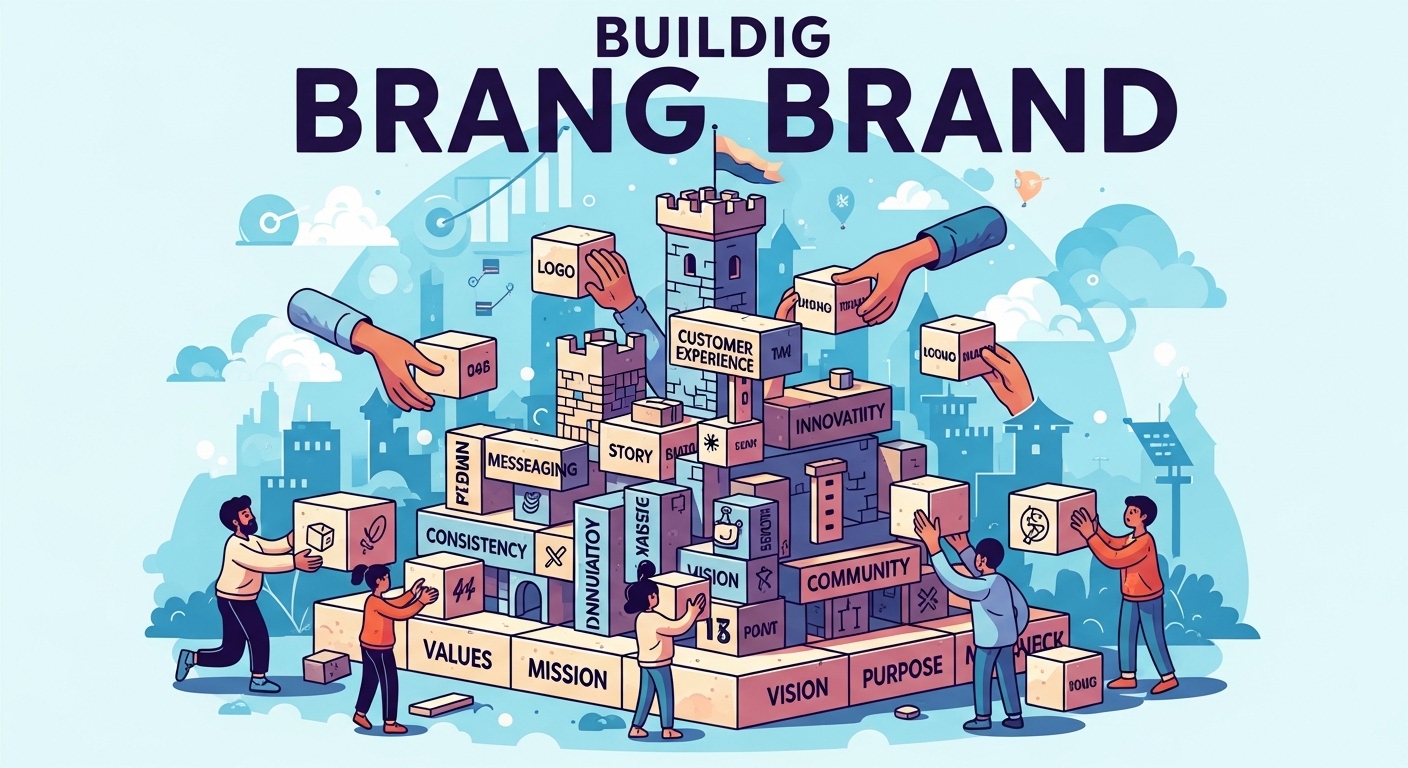
Building a strong brand is one of the most important steps in creating a successful business because it defines how customers perceive, trust, and connect with your company. A powerful brand goes beyond a logo or name; it reflects values, consistency, communication style, and customer experience. In today’s competitive market, strong branding helps businesses stand out, attract loyal customers, and achieve long term growth.
Brand Identity Development
Creating a Clear Brand Vision
A clear brand vision defines what your business stands for and where it aims to go in the future. It guides decision making, marketing strategies, and customer communication. A strong vision helps businesses stay focused, build consistency, and create a meaningful connection with their target audience over time.
Designing a Professional Logo
A professional logo represents your brand visually and creates the first impression for customers. It should be simple, memorable, and relevant to your business identity. A well designed logo improves recognition, builds trust, and helps customers easily remember your brand across different platforms and marketing materials effectively.
Choosing Brand Colors and Style
Brand colors and style play a key role in creating emotional connections with customers. Colors influence perception and help express brand personality. Consistent design style across all platforms strengthens recognition and builds a unified brand identity that feels professional and trustworthy in the marketplace.
Defining Brand Voice and Tone
Brand voice and tone determine how your business communicates with customers. Whether formal, friendly, or professional, consistency is important. A strong voice builds personality, improves engagement, and helps customers relate better to your brand across websites, social media, and marketing content.
Creating Brand Guidelines
Brand guidelines ensure consistency in how your brand is presented across all channels. They include rules for logo usage, colors, fonts, and messaging. Clear guidelines help maintain professionalism and ensure that every piece of communication reflects the same strong brand identity.
Understanding Target Audience
Identifying Customer Needs
Understanding customer needs is essential for building a brand that solves real problems. Businesses must research what customers want, their challenges, and expectations. This helps create products and services that are relevant, valuable, and more likely to succeed in the market.
Analyzing Customer Behavior
Customer behavior analysis helps businesses understand how people interact with products and services. It includes buying patterns, preferences, and decision making habits. This information allows brands to improve marketing strategies and deliver better customer experiences that increase satisfaction and loyalty.
Defining Target Market Segments
Defining target market segments helps businesses focus on specific groups of customers. Segmentation can be based on age, location, interests, or income level. This improves marketing efficiency and ensures that messages reach the right audience effectively.
Creating Customer Personas
Customer personas represent ideal customers based on real data and research. They help businesses understand customer goals, needs, and behavior. This makes it easier to design products and marketing strategies that connect with the audience on a deeper level.
Studying Market Trends
Studying market trends helps businesses stay updated with industry changes and customer expectations. It allows brands to adapt quickly, remain competitive, and identify new opportunities for growth in a constantly changing marketplace.
Strong Brand Positioning
Defining Unique Value Proposition
A unique value proposition explains what makes your business different from competitors. It highlights benefits that customers cannot find elsewhere. A strong value proposition increases trust, attracts attention, and improves conversion rates in competitive markets.
Competitor Analysis Strategy
Competitor analysis helps businesses understand strengths and weaknesses of other brands in the market. This information allows companies to improve their offerings, pricing, and strategies to gain a competitive advantage.
Building Market Position Identity
Market position identity defines how your brand is perceived compared to competitors. It helps establish a clear place in the industry and makes it easier for customers to recognize your strengths.
Differentiation Strategy Development
Differentiation strategy focuses on making your brand unique through quality, innovation, or customer experience. It helps businesses stand out and attract loyal customers in crowded markets.
Consistent Messaging Strategy
Consistent messaging ensures that all communication reflects the same brand identity. It builds trust, improves recognition, and strengthens emotional connection with customers across all platforms.
Marketing and Brand Awareness
Social Media Branding Strategy
Social media branding helps businesses connect with customers and build online visibility. Consistent posting and engagement improve brand recognition and trust across digital platforms.
Content Marketing Development
Content marketing builds brand authority by sharing valuable information with the audience. Blogs, videos, and guides help attract and educate customers effectively.
Influencer Collaboration Approach
Influencer collaborations increase brand exposure by reaching wider audiences through trusted personalities. It helps improve credibility and customer engagement.
Advertising Campaign Planning
Advertising campaigns promote brand awareness and attract potential customers. Well planned ads improve visibility and increase sales opportunities.
Search Engine Optimization Strategy
SEO strategy improves online visibility by ranking websites higher in search results. It drives organic traffic and builds long term brand presence.
Customer Experience Building
High Quality Customer Service
High quality customer service builds trust and long term relationships. Fast and helpful responses improve satisfaction and brand loyalty.
Feedback Collection Systems
Feedback systems help businesses understand customer opinions and improve services. Listening to customers increases satisfaction and brand improvement.
Personalized Customer Interaction
Personalized interaction makes customers feel valued and understood. It increases engagement and strengthens emotional connection with the brand.
Loyalty Program Development
Loyalty programs reward repeat customers and encourage long term relationships. They improve customer retention and increase brand value.
Complaint Handling Process
Effective complaint handling improves customer trust and resolves issues quickly. It shows professionalism and strengthens brand reputation.
Digital Presence Strengthening
Professional Website Design
A professional website creates a strong online identity and improves customer trust. It serves as the central hub of brand information.
Mobile Friendly Optimization
Mobile optimization ensures smooth user experience on smartphones. It increases accessibility and improves customer engagement.
Online Reputation Management
Online reputation management helps maintain positive brand image by monitoring reviews and feedback across platforms.
Digital Marketing Integration
Digital marketing integration combines multiple online channels to promote brand awareness and growth effectively.
Analytics Performance Tracking
Analytics tracking helps businesses measure performance and improve strategies based on real data insights.
Brand Growth Strategy
Scaling Business Operations
Scaling operations helps businesses grow efficiently while maintaining quality and consistency in services.
Expanding Market Reach
Market expansion increases brand visibility by reaching new audiences and regions for growth.
Product Innovation Development
Innovation keeps brands competitive by introducing new and improved products that meet customer needs.
Strategic Partnerships Growth
Partnerships help businesses expand resources, reach, and credibility through collaboration with other companies.
Long Term Brand Sustainability
Sustainability ensures long term success by maintaining consistent quality, trust, and innovation.
FAQs
What makes a strong brand?
A strong brand is built on consistency, trust, identity, and customer experience.
How long does branding take?
Branding is a continuous process that develops over time with consistency and effort.
Why is branding important for business?
Branding builds recognition, trust, and customer loyalty in competitive markets.
Can small businesses build strong brands?
Yes, small businesses can build strong brands with clear strategy and consistency.
What is the first step in branding?
The first step is defining your brand vision and identity clearly.
Conclusion
Building a strong brand requires clear identity, understanding of customers, consistent messaging, and effective marketing strategies. A successful brand connects emotionally with customers and delivers value across every interaction. With time, effort, and consistency, any business can create a powerful brand that stands out, builds trust, and achieves long term success in competitive markets.